
Altitude Training – How to Prepare for High Elevation
Altitude training is an important part of preparing for high-altitude treks such as Mount Kilimanjaro. While you cannot fully simulate altitude at sea level, proper preparation can greatly improve your comfort, safety, and chances of success.
What Is Altitude Training?
Altitude training focuses on helping your body adapt to lower oxygen levels found at high elevations. The main goal is to reduce the risk of altitude sickness and improve endurance during the climb.
Can You Train for Altitude at Home?
You cannot completely prepare for altitude without being at elevation, but you can train your body to perform well and support acclimatization.
What you can do:
Improve cardiovascular fitness
Strengthen lungs and breathing efficiency
Learn proper pacing and recovery
Effective Altitude Preparation Methods
1. Aerobic Fitness Training
Strong cardio fitness helps your body use oxygen more efficiently.
Recommended activities:
Hiking
Running or brisk walking
Cycling
Stair climbing
Train 3–5 times per week for 30–60 minutes.
2. Hiking at Higher Elevations (If Possible)
If you have access to mountains or highlands:
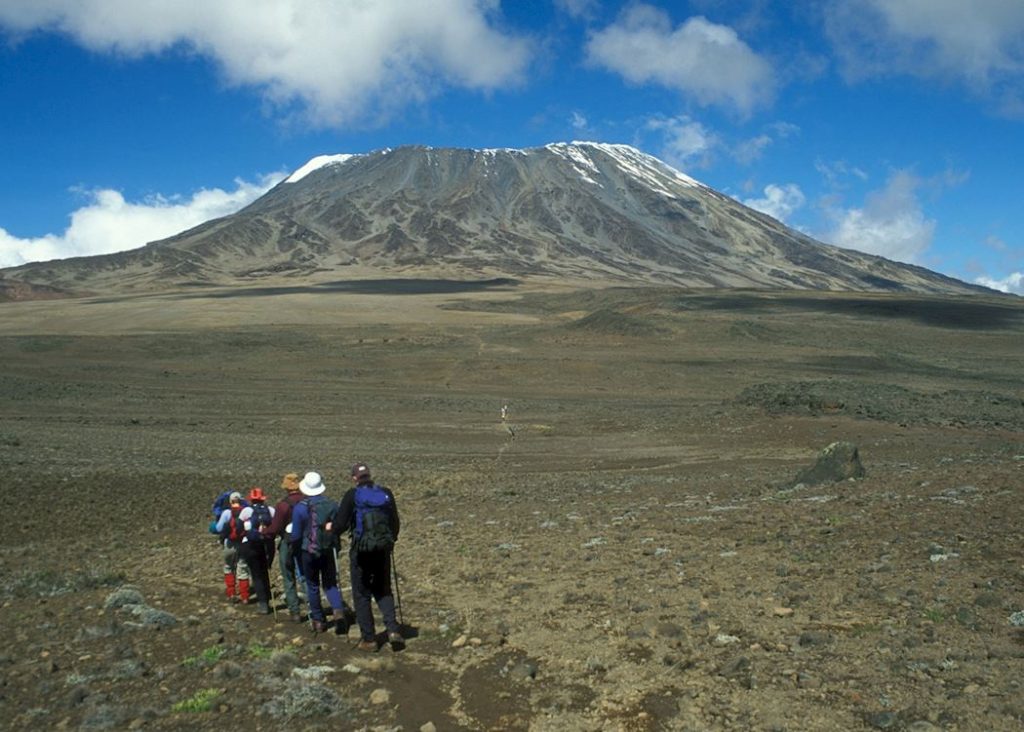
Spend time hiking at moderate altitude
Gradually increase elevation
Sleep lower than your highest hiking point
3. Practice Slow Pacing (“Pole Pole”)
On Kilimanjaro, walking slowly is critical.
Train yourself to walk steadily, not fast
Focus on rhythm and controlled breathing
4. Breathing Techniques
Efficient breathing improves oxygen intake.
Practice:
Deep belly breathing
Slow inhale through the nose, exhale through the mouth
Controlled breathing during cardio workouts
5. Strength & Endurance Training
Strong legs and core reduce fatigue, allowing your body to focus on acclimatization.
Include:
Squats, lunges, step-ups
Core exercises like planks
6. Acclimatization Strategy on the Mountain
Real altitude adaptation happens during the climb:
Choose longer routes with gradual ascent
Follow “climb high, sleep low” principles
Drink plenty of water
Eat well and rest
What About Altitude Simulation Devices?
Altitude masks do not simulate real altitude effectively
Hypoxic tents can help but are expensive and not essential
Proper pacing and itinerary choice are more important
Signs of Altitude Sickness (Know Them Early)
Headache
Nausea
Dizziness
Fatigue
Loss of appetite
Always inform your guide immediately if symptoms appear.
Final Advice
The best altitude training is a combination of good physical fitness, slow ascent, proper acclimatization, and experienced guides. No matter how fit you are, altitude must be respected.
With the right preparation and support, your high-altitude trek can be safe, successful, and unforgettable.
GIVE US A CALL
A phone call is by far the best way to get the ball rolling when planning a safari.
+255 798 769 867
Alternatively, you can email us at info@rowlandsafaris.com
Extraordinary Experiences