Physical Training Before Climbing Mount Kilimanjaro
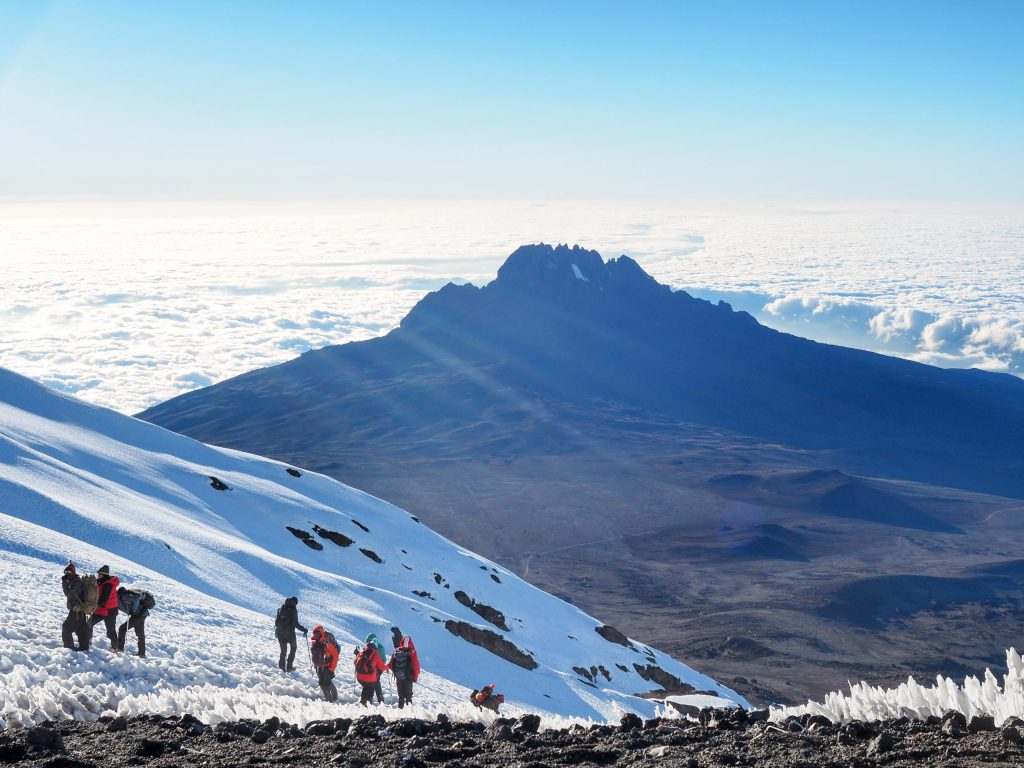
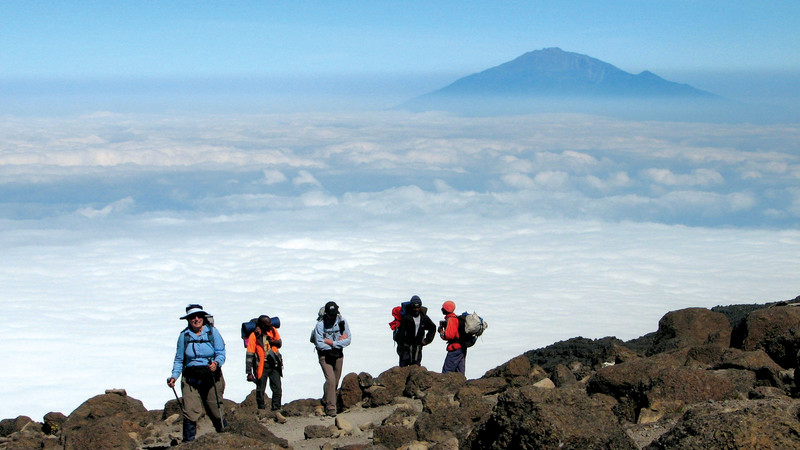
Climbing Mount Kilimanjaro does not require technical mountaineering skills, but it does demand good physical fitness, endurance, and mental preparation. Proper training before your climb will increase your chances of reaching the summit safely and enjoying the experience.
When to Start Training
Begin training at least 8–12 weeks before your Kilimanjaro climb. If you are not very active, starting earlier is even better.
Key Areas to Focus On
1. Cardiovascular Endurance
You will be walking for several hours each day, so stamina is essential.
Recommended activities:
Brisk walking or hiking
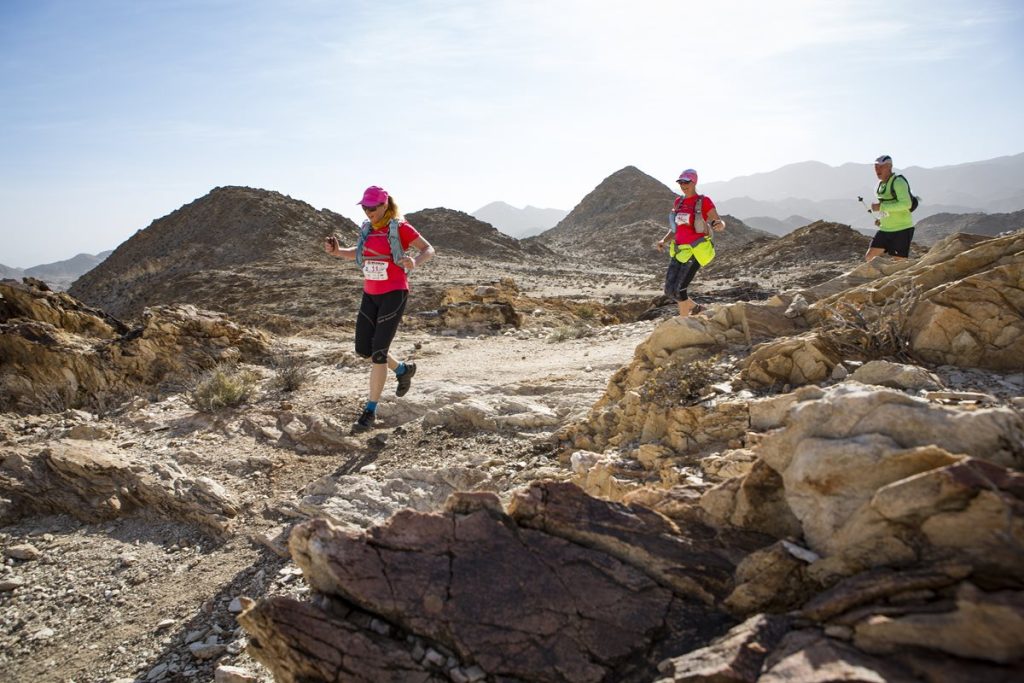
Jogging or running
Cycling
Stair climbing
Swimming
Training goal:
3–5 cardio sessions per week
30–60 minutes per session
2. Leg Strength
Strong legs help you handle long uphill and downhill trekking days.
Exercises to include:
Squats
Lunges
Step-ups (especially with a backpack)
Calf raises
Tip: Train on hills or stairs whenever possible.
3. Core Strength
A strong core improves balance and posture while carrying a daypack.
Exercises:
Planks
Sit-ups
Russian twists
Back extensions
4. Hiking with a Backpack
Practice walking with a loaded backpack (5–8 kg) to simulate real trekking conditions.
Hike on uneven terrain
Increase distance gradually
Wear the same hiking boots you’ll use on Kilimanjaro
5. Flexibility & Recovery
Stretching helps prevent injury and improves recovery.
Include:
Stretching after workouts
Yoga or mobility exercises
Proper rest days
Weekly Sample Training Plan (Basic)
3 days: Cardio (walking, jogging, cycling)
2 days: Strength training (legs + core)
1 day: Long hike with a backpack
1 day: Rest or light stretching
Altitude Preparation
Walk slowly and steadily (“pole pole”)
Focus on breathing control
Choose longer routes for better acclimatization
Stay hydrated and well-rested
Physical training helps, but altitude affects everyone differently, regardless of fitness level.
Final Advice
You don’t need to be an athlete to climb Mount Kilimanjaro—but being well-prepared physically makes the climb safer, more comfortable, and more enjoyable.
With the right training, mindset, and professional support, reaching Uhuru Peak becomes a realistic and rewarding goal.
GIVE US A CALL
A phone call is by far the best way to get the ball rolling when planning a safari.
+255 798 769 867
Alternatively, you can email us at info@rowlandsafaris.com
Extraordinary Experiences